

Mold Removal Cost in Glenwood Springs, CO
Glenwood Springs' location in a river valley with year-round moisture from natural hot springs and nearby waterways means many homes—particularly those with crawl spaces or partial basements—face persistent damp conditions that can support mold growth. Mold Removal Cost in Glenwood Springs, CO depends on how much area is affected, which building materials are involved (drywall, insulation, carpet, or HVAC components), whether containment and air filtration equipment is necessary during the work, and whether post-remediation clearance testing or structural rebuild is needed once the mold itself is removed. Starting an inspection sooner rather than later typically keeps the affected area smaller, which directly reduces the scope of work an independent local provider must perform.
What Drives Mold Removal Cost in Glenwood Springs
Property owners in Glenwood Springs face a real challenge when moisture and mold appear indoors: understanding what mold removal will cost before committing to the work. The Colorado River valley location brings naturally higher humidity levels year-round, and many homes in the area have crawl spaces, basements, or foundation areas that retain moisture through seasonal changes. Even without a major water event, these conditions can create environments where mold takes hold and spreads. Before hiring anyone to remove mold, property owners want to know what the scope of work will be and what that scope means for the final cost of remediation.
Bailey Mold Remediation connects Glenwood Springs property owners with independent local mold inspection and remediation providers who follow a straightforward process: inspect the affected area thoroughly, explain what they find, detail the work required to safely remove the mold, and then discuss what that work will cost. The mold removal cost depends entirely on factors uncovered during that inspection—the size of the affected area, which building materials are involved, what containment or air-handling equipment the job requires, and whether post-remediation testing or structural rebuilding will be necessary. By connecting you with a local provider who inspects first and communicates clearly about scope, Bailey Mold Remediation helps you understand the true cost drivers before any decision is made.
Understanding Mold Removal Cost in Glenwood Springs
How Square Footage Affects Cost
The larger the mold-affected area, the more labor, materials, and equipment are needed to remove it safely. A small patch on one wall requires less work than mold spreading across multiple rooms or into wall cavities, which directly impacts the scope of the job.
Materials That Need Removal
Not all materials are salvageable. Drywall, insulation, carpet, and HVAC components contaminated by mold often must be removed and replaced rather than cleaned. The type and quantity of materials involved determines how extensive—and therefore costly—the remediation becomes.
Containment and Air Scrubbing Needs
Containing mold during removal and using air-scrubbing equipment prevents spores from spreading through your home. Larger or more advanced contamination requires specialized containment and filtration equipment, adding to the work required and the overall cost.
Glenwood Springs' Year-Round Moisture Challenge
Homes in this region's river valley often contend with persistent dampness in crawl spaces and basements, where humidity lingers through the year. When moisture problems go unaddressed, mold grows deeper into building materials, requiring more extensive removal and structural attention once remediation begins.
How Your Mold Removal Cost Is Estimated in Glenwood Springs, CO
Request an On-Site Estimate
Contact Bailey Mold Remediation to describe where you've noticed mold or water damage in your Glenwood Springs home. A local independent provider will schedule a visit to inspect the affected area and determine what the mold removal cost will depend on.
Assess Scope and Removal Cost Drivers
The independent provider inspects the extent of mold growth, measures affected square footage, identifies which materials need removal (drywall, carpet, insulation, HVAC components), and determines whether containment, air scrubbing equipment, post-remediation testing, or structural rebuild will be necessary. These factors directly shape the cost of mold removal.
Review the Estimate Before Work Begins
The provider presents a detailed estimate showing what mold removal work is required, why each step is needed, and the cost. You review it fully before approving any work—acting quickly to remove mold typically keeps the scope and cost lower than waiting for growth to spread.
Wondering about Mold Removal Cost in Glenwood Springs? Get an on-site estimate from a local provider.
Call Now — (970) 299-8100Mold Removal Cost Factors in Glenwood Springs
The cost of mold removal in Glenwood Springs depends directly on how much of your property is affected and what materials the mold has colonized. A small area of surface mold on drywall costs far less to remove than mold that has penetrated insulation, framing, or HVAC ductwork. The extent of the problem is determined only during an inspection—the independent local provider you connect with will assess square footage, identify which materials require removal or remediation, and establish whether containment barriers and air-scrubbing equipment are necessary to prevent spore spread during the work. Older homes and properties with crawl spaces or basements that experience chronic dampness often require more extensive removal scope simply because moisture has had more time and opportunity to penetrate deeper into building materials.
Additional factors that shape mold removal cost include whether post-remediation clearance testing is recommended to confirm successful remediation, and whether structural rebuild—replacing removed drywall, insulation, or flooring—is needed once mold-affected materials are gone. Properties in river valleys with year-round moisture exposure face higher risk of mold returning if underlying moisture sources are not addressed, which may increase the scope of work required. Acting quickly after discovering mold typically keeps the affected area smaller and the removal process less complex, which generally means lower costs than waiting for mold to spread further into walls, attics, or mechanical systems. Your local provider will explain exactly what removal, containment, and restoration steps your specific property requires.
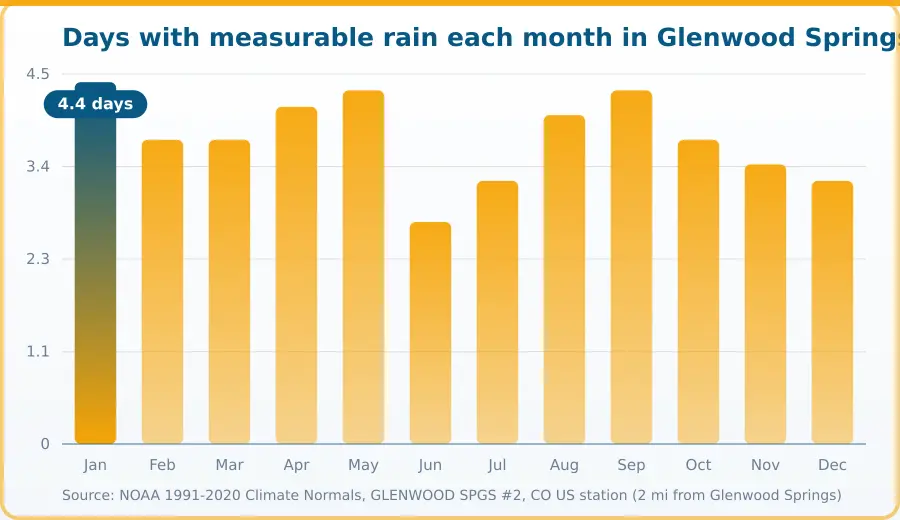
| Period | Days with measurable rain by month (days) |
|---|---|
| Jan | 4.4 |
| Feb | 3.7 |
| Mar | 3.7 |
| Apr | 4.1 |
| May | 4.3 |
| Jun | 2.7 |
| Jul | 3.2 |
| Aug | 4 |
| Sep | 4.3 |
| Oct | 3.7 |
| Nov | 3.4 |
| Dec | 3.2 |
Source: NOAA 1991-2020 Climate Normals, GLENWOOD SPGS #2, CO US station (2 mi from Glenwood Springs). Retrieved October 5, 2026.
How Seasons Affect Mold Removal Cost in Glenwood Springs
Spring: Snowmelt and Moisture
Spring thaw in the Colorado River valley region brings rapid snowmelt and increased groundwater movement. Properties with crawl spaces or partial basements often experience rising moisture levels as soil around foundations becomes saturated. Larger affected areas underground mean broader scope and higher removal costs.
Summer: Heat and Accessibility
Summer weather opens windows for easier contractor access and faster drying conditions after remediation work completes. However, warm temperatures can accelerate mold growth if moisture sources remain unchecked during inspection. Finding and addressing all moisture sources before removal work begins helps control overall project scope.
Fall: Humidity and HVAC Use
Fall marks the seasonal transition to heating, when homes seal tight and indoor humidity can rise if ventilation is poor. In Glenwood Springs' river valley setting, naturally higher ambient humidity from hot springs and waterways compounds indoor moisture retention. Damp crawl spaces and basements—common in the area—may show visible mold growth, expanding the scope of containment and remediation needed.
Winter: Cold and Condensation
Winter heating creates temperature differences between warm indoor air and cold exterior walls and crawl spaces, driving condensation and frost accumulation. Frozen water in walls or insulation may hide mold damage until spring, potentially requiring removal of more materials—drywall, insulation, framing components—once discovered. Early detection prevents larger winter-to-spring scope creep.
Related Services
Mold Removal Cost FAQs — Glenwood Springs, CO
The size of the affected area, materials involved (drywall, insulation, wood framing), containment requirements, and rebuild work are the primary cost drivers. Mold in crawl spaces or basements may require different containment strategies than finished rooms. The local provider's on-site inspection determines scope and pricing based on what they find during assessment.
Early intervention prevents mold from spreading to additional materials and structural areas. The longer mold colonizes wood, insulation, or drywall, the more material may require removal and replacement. Addressing moisture promptly also reduces the risk of secondary damage that would increase labor and material costs for remediation.
A local independent provider inspects your property in person to assess the extent of mold, affected materials, and containment needs. Based on those findings, they prepare a detailed estimate. This on-site evaluation is essential because mold situations vary widely—what you see on the surface often differs from what's hidden behind walls or in crawl spaces.
Insurance coverage for mold removal varies significantly by policy and cause. Some policies cover mold resulting from sudden, covered events like burst pipes, while many exclude mold from long-term moisture or humidity. Contact your insurance provider directly about your specific policy before remediation begins—the local provider can also discuss this with you during the estimate.
We connect you with independent local providers in the Glenwood Springs area who can schedule on-site inspections promptly. The provider will assess your situation and provide an estimate based on their direct findings. Speed of connection and scheduling depends on provider availability, but we work to match you efficiently so you can move forward with remediation planning.
Yes. The area's naturally damp conditions—including proximity to waterways and higher ambient humidity—create persistent moisture in crawl spaces and basements year-round. Properties with chronic dampness may require extended containment, more thorough drying efforts, or additional moisture-control measures during remediation, which can influence the overall scope and cost of the project.
Homeowner Safety Toolkit
Verify Your Glenwood Springs, CO Mold Remediation Company
Before you hire anyone, use these independent national resources to confirm credentials, standards, and track record.
ACAC
An independently accredited certifying body for mold inspectors and consultants — one of the few in this field whose standards are verified by an outside accreditation board, not just self-declared.
Find a Certified InspectorIICRC
Publishes the S520 standard for professional mold remediation. Confirm a company's technicians hold real, current IICRC certification before you hire them.
Verify CertificationCDC
Covers the health effects of mold exposure and safe cleanup practices, separate from the remediation work itself — useful if anyone in the home has respiratory symptoms.
Mold Health GuideQuestions about Mold Removal Cost in Glenwood Springs, CO? Call (970) 299-8100 to arrange a local on-site estimate.
Call Now — (970) 299-8100Areas We Serve in Glenwood Springs, Colorado
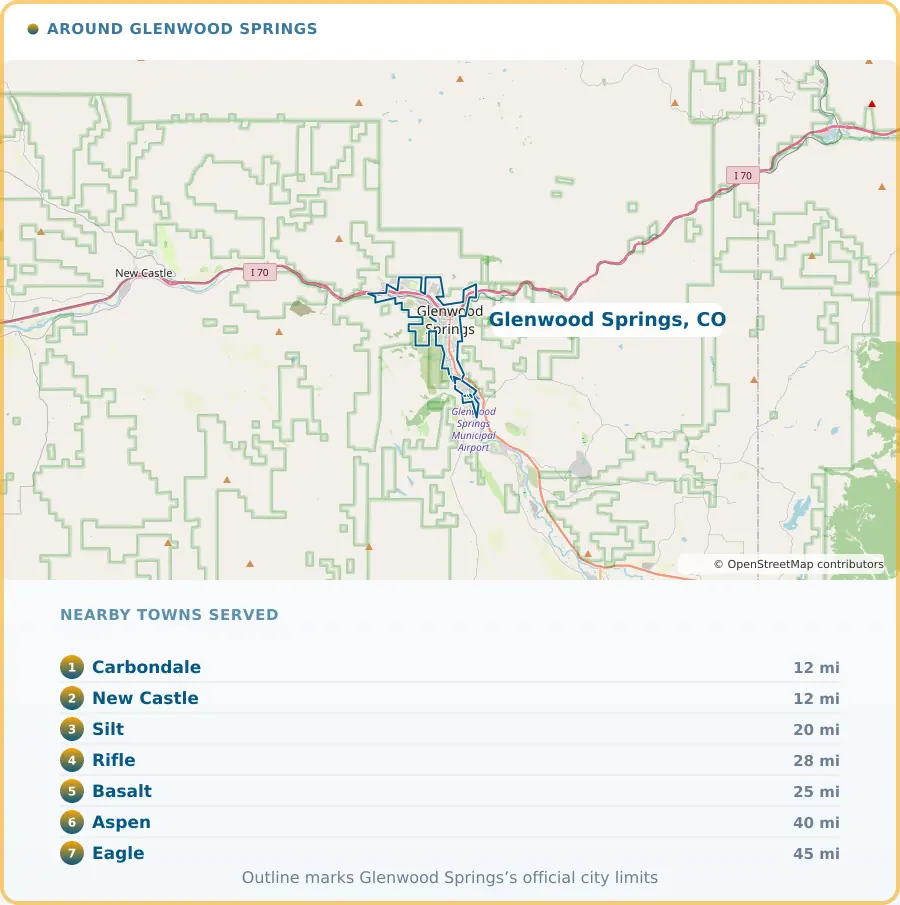
Coverage centres on Glenwood Springs, CO and reaches 7 surrounding communities. Response time is what matters most in the hours after a problem is found, so knowing the ground is part of the job.
Glenwood Springs, CO Information
Tucked where the mountains fold into river valleys, Glenwood Springs, CO draws much of its character from water — the namesake hot springs and the whitewater runs that pull visitors in year-round. With roughly 9,900 residents, the town keeps a small-town warmth while still serving as the commercial heart of Garfield County, supplying goods, services, and construction support to the surrounding mountain communities and nearby ski towns.
Tourism and hospitality set the seasonal rhythm, but steadier footing comes from healthcare and government work, with Valley View Hospital, the City of Glenwood Springs, and Garfield County among the area's largest employers. Add in Colorado Mountain College, local schools, and everyday staples like City Market and Walmart, and you get a community built as much for the people who live there as for those just passing through.
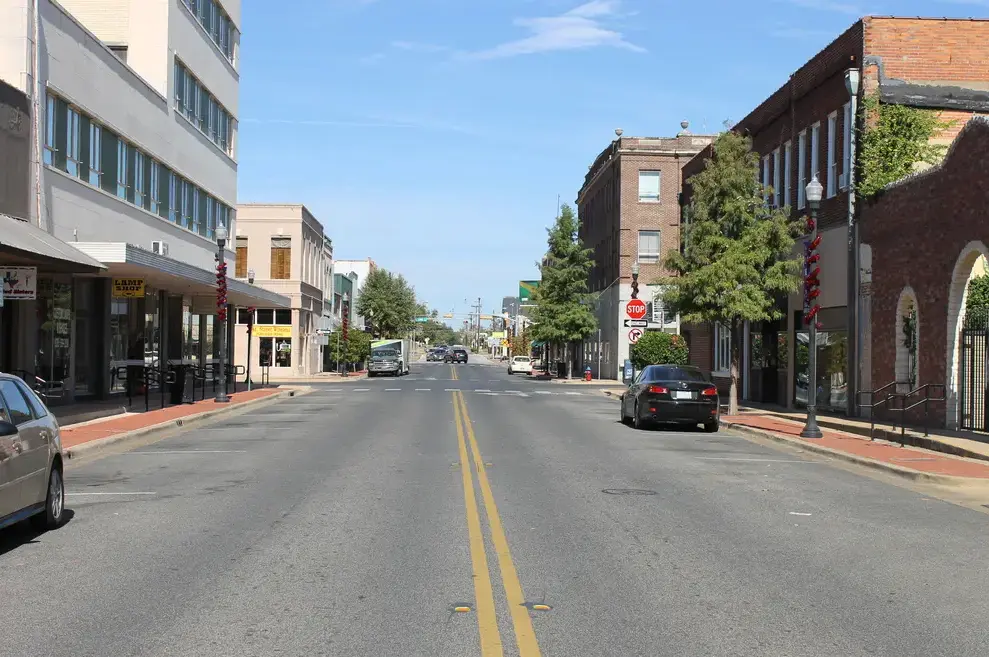
Photo: Billy Hathorn, CC BY-SA 3.0