

Kitchen Mold Removal in Glenwood Springs, CO
Glenwood Springs' location in a river valley with year-round moisture from natural hot springs and waterways creates persistent damp conditions that kitchens are especially prone to—from steam and plumbing use to poor ventilation—making mold growth in this room a common concern for local property owners. Bailey Mold Remediation connects you with independent local providers who handle kitchen mold removal, addressing visible growth and moisture sources to restore safe indoor air quality. Getting ahead of kitchen mold protects your home's structure and helps you avoid the cost and disruption of larger remediation work down the road.
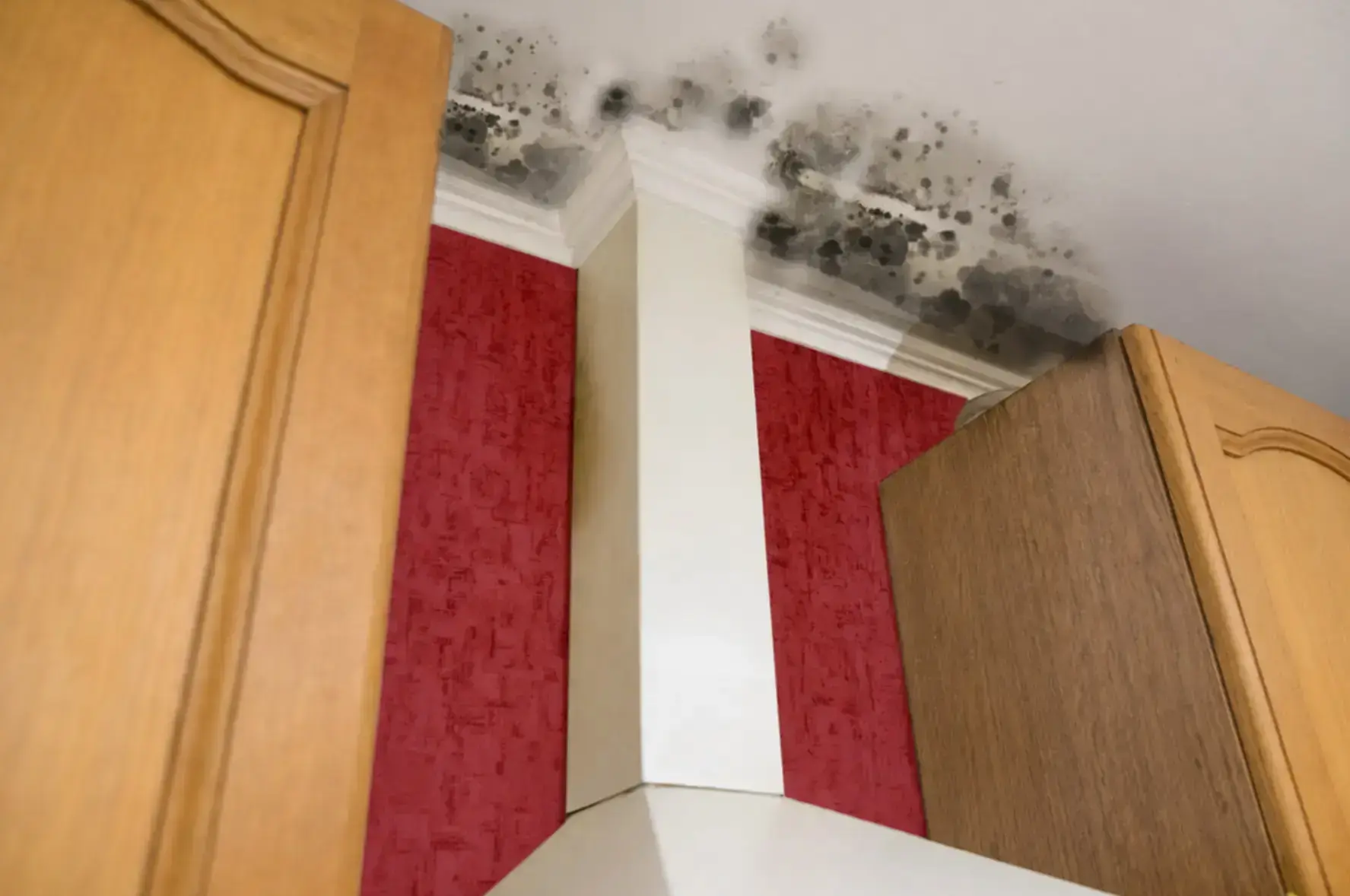
What gets cleaned in a kitchen, and what comes out
Whether a material is cleaned in place or removed is not decided by how bad the mold looks. It is decided by what the material is made of and how large the affected area is. Below is the EPA’s published guidance on both counts, for a kitchen.
| Material | Under 10 sq ftabout a cabinet door, or one ceiling tile | 10 to 100 sq ftroughly one wall, or a small bathroom | Over 100 sq ftmore than one room's worth of surface |
|---|---|---|---|
| Non-porous, hard surfacestile, stone or laminate counters, splashbacks and sinksEPA, Table 2 | Wet vacuumDamp wipeHEPA vacuum | Wet vacuumDamp wipeHEPA vacuum | Wet vacuumDamp wipeHEPA vacuum |
| Wood surfacescabinet boxes, toe kicks and shelvingEPA, Table 2 | Wet vacuumDamp wipeHEPA vacuum | Wet vacuumDamp wipeHEPA vacuum | Wet vacuumDamp wipeHEPA vacuumRemove and discard |
| Wallboardthe wall behind cabinets, the sink and the dishwasherEPA, Table 2 | HEPA vacuum | HEPA vacuumRemove and discard | HEPA vacuumRemove and discard |
| Hard surface, porous flooringvinyl or tile flooring and the subfloor beneath itEPA, Table 2 | Wet vacuumDamp wipeHEPA vacuum | Wet vacuumDamp wipeHEPA vacuum | Wet vacuumDamp wipeHEPA vacuumRemove and discard |
What those methods mean, in EPA's words
- Wet vacuum
Wet vacuums are vacuum cleaners designed to collect water. They can be used to remove water from floors, carpets and hard surfaces where water has accumulated.
EPA, cleanup methods- Damp wipe
Mold can generally be removed from nonporous (hard) surfaces by wiping or scrubbing with water, or water and detergent.
EPA, cleanup methods- HEPA vacuum
HEPA (High-Efficiency Particulate Air) vacuums are recommended for final cleanup of remediation areas after materials have been thoroughly dried and contaminated materials removed.
EPA, cleanup methods- Remove and discard
Building materials and furnishings that are contaminated with mold growth and are not salvageable should be double-bagged using 6-mil polyethylene sheeting.
EPA, cleanup methods
These guidelines are for damage caused by clean water. If you know or suspect that the water source is contaminated with sewage, or chemical or biological pollutants, then Personal Protective Equipment and containment are required by OSHA.
EPA, Table 1Porous materials that are wet and have mold growing on them may have to be discarded.
EPA, cleanup methodsMold can grow on wood, drywall, carpet and furniture if they remain wet for more than 24 hours.
EPA, flood cleanup
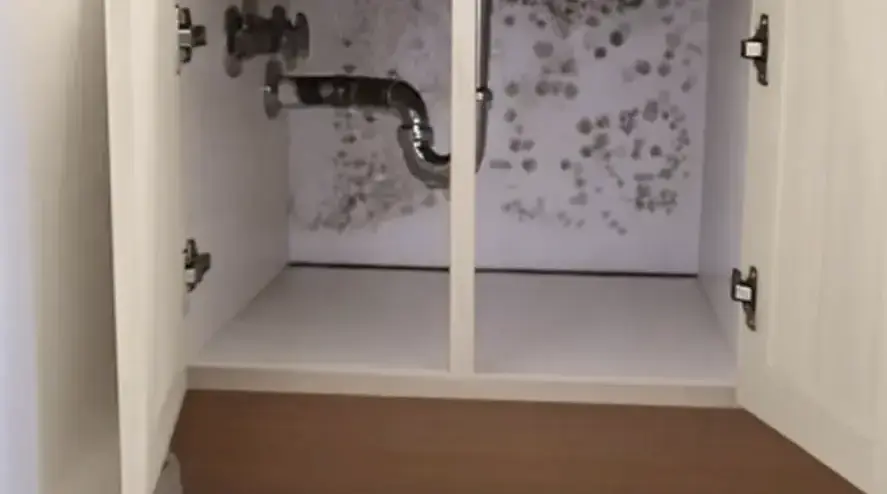
Under-sink and behind-appliance leaks are slow, so the cabinet floor and the wall behind are usually worse than anything visible at the front. Cabinet boxes are the awkward case: the carcase is wood, so EPA's wood guidance applies, but particleboard and MDF behave more like wallboard once they have swollen. Counters, splashbacks and sinks clean up and stay.
In Glenwood Springs, 24.4% of homes predate 1960 and 10.3% were built from 2010 onwards.Source: US Census Bureau, American Community Survey 2023 5-year estimates, table B25034 — Glenwood Springs city (4,215 housing units)
Kitchen Mold Removal for Glenwood Springs Homeowners
Glenwood Springs' location along the Colorado River, combined with the region's naturally humid environment fed by local hot springs and waterways, creates persistent moisture conditions that homeowners must manage year-round. Many properties in the area feature crawl spaces or partial basements that remain consistently damp, and this standing humidity makes kitchens—with their sinks, dishwashers, and cooking steam—particularly vulnerable to mold growth. Even without major weather events, the combination of daily kitchen moisture and the valley's ambient humidity can lead to mold colonization on walls, under cabinets, around window frames, and within cabinetry itself, where it becomes both a health concern and a structural risk if left unaddressed.
Bailey Mold Remediation connects Glenwood Springs property owners with local independent providers who specialize in thorough kitchen mold removal. These professionals assess the full scope of kitchen moisture—from visible mold to hidden growth behind fixtures and within walls—and develop removal strategies that address both the affected materials and the underlying moisture sources. A complete kitchen mold removal includes safe containment during work, removal of contaminated materials, targeted remediation of affected surfaces, and guidance on moisture control to help prevent recurrence. By working with local providers through Bailey Mold Remediation, you gain access to professionals who understand the specific moisture challenges kitchens face in Glenwood Springs and can restore your indoor air quality with care and precision.
Why Glenwood Springs Homeowners Trust Bailey for Kitchen Mold Removal
Fast Local Kitchen Mold Removal
Bailey connects you with independent providers in Glenwood Springs who respond quickly to kitchen mold concerns. Local availability means faster assessment and removal of mold affecting your cooking and dining spaces.
Thorough Kitchen Mold Treatment
Kitchen mold removal through Bailey's network includes complete identification, containment, and removal of affected areas. Providers focus on eliminating mold at its source and preventing recurrence in moisture-prone kitchen environments.
Clear Communication Throughout Removal
Bailey's independent providers explain kitchen mold findings and removal steps in plain language. You'll understand what caused the mold, how it will be removed, and what prevents future growth.
Mold Removal for Valley Homes
Glenwood Springs' location near the Colorado River and natural hot springs creates persistent moisture in many homes. Kitchens in homes with damp crawl spaces or partial basements face elevated mold risk year-round, making professional removal essential.
How Our Kitchen Mold Removal Process Works
Schedule Your Kitchen Mold Removal Inspection
Contact Bailey Mold Remediation to request a kitchen mold inspection in Glenwood Springs. We'll connect you with a local independent provider who will assess your kitchen for visible mold, moisture sources, and any areas where humidity may be supporting mold growth.
Professional Kitchen Mold Assessment and Diagnosis
The provider will inspect your kitchen thoroughly, identifying mold location, extent, and underlying moisture conditions—especially important in the Glenwood Springs area, where homes often experience persistent indoor humidity that can support mold in kitchens and other moisture-prone spaces. A clear diagnosis guides the kitchen mold removal plan.
Kitchen Mold Removal and Moisture Control
Once the scope is determined, the independent provider will remove kitchen mold using appropriate containment and remediation methods, then address the moisture source to reduce the likelihood of recurrence. You'll receive guidance on maintaining kitchen humidity and preventing future mold growth.
Dealing with Kitchen Mold Removal in Glenwood Springs? Get fast, professional help.
Call Now — (970) 299-8100Kitchen Mold Removal Across Glenwood Springs
Glenwood Springs' location in a river valley creates persistent moisture conditions that make kitchens particularly vulnerable to mold growth. The region's naturally elevated humidity, combined with the presence of crawl spaces and partial basements in many homes that remain damp throughout the year, means kitchen mold can develop even when there's no obvious water damage or leak. These below-grade spaces trap moisture that rises through the home, and kitchens—already prone to condensation from cooking and dishwashing—become prime environments for mold colonization on walls, under sinks, and around window frames.
Kitchen mold removal in Glenwood Springs requires attention to both visible growth and the moisture pathways feeding it. Local providers in the area understand how valley humidity and groundwater proximity affect kitchen moisture levels year-round, allowing them to identify not just where mold is growing but why it took hold in the first place. Addressing kitchen mold effectively means removing affected materials safely, restoring proper ventilation, and managing the underlying dampness that allows mold to return—an approach that protects both the kitchen itself and the home's indoor air quality.
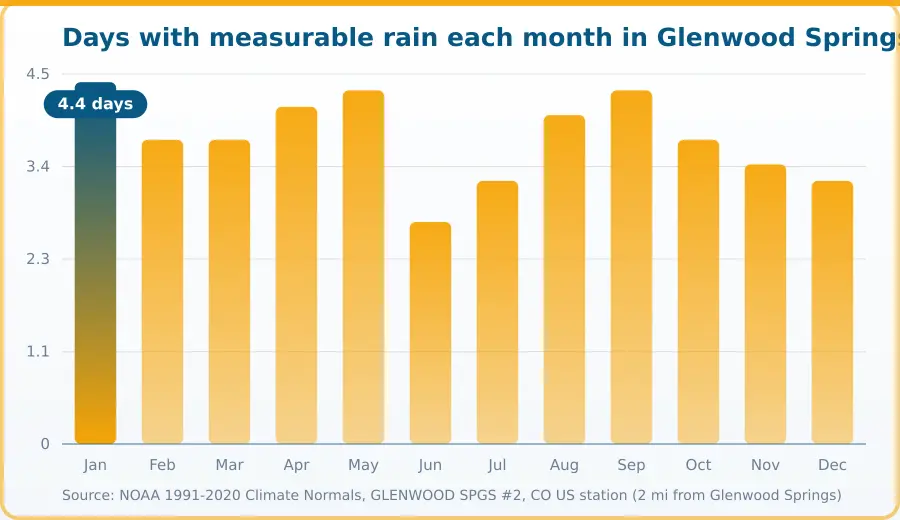
| Period | Days with measurable rain by month (days) |
|---|---|
| Jan | 4.4 |
| Feb | 3.7 |
| Mar | 3.7 |
| Apr | 4.1 |
| May | 4.3 |
| Jun | 2.7 |
| Jul | 3.2 |
| Aug | 4 |
| Sep | 4.3 |
| Oct | 3.7 |
| Nov | 3.4 |
| Dec | 3.2 |
Source: NOAA 1991-2020 Climate Normals, GLENWOOD SPGS #2, CO US station (2 mi from Glenwood Springs). Retrieved October 5, 2026.
Kitchen Mold Removal Through Glenwood Springs Seasons
Spring: Thaw and Moisture Surge
As snowmelt and spring rains saturate Glenwood Springs' landscape, kitchens face heightened moisture infiltration through walls, under sinks, and around plumbing. Kitchen mold removal becomes urgent as humidity climbs and mold spores germinate faster in warming air. Bailey Mold Remediation connects you with local providers who identify hidden kitchen moisture sources and remove active growth before summer arrives.
Summer: Condensation and Humidity Peaks
Summer warmth combined with the region's naturally higher humidity from the Colorado River and local hot springs can trap moisture in kitchens, especially around windows, appliances, and ventilation areas. Kitchen mold removal is critical when condensation persists despite air conditioning and when visible mold appears on walls or cabinetry. Bailey's referral network links property owners with local providers who remediate summer mold growth and recommend ventilation improvements.
Fall: Damp Crawl Spaces and Long-Term Growth
As temperatures drop and homes prepare for winter, kitchens in properties with crawl spaces or partial basements that stay damp year-round become vulnerable to mold colonizing beneath floors and inside wall cavities. Kitchen mold removal in fall targets growth that has accumulated through warmer months and may now be visible or odorous. Bailey connects owners with experienced providers who assess and remove kitchen mold before moisture problems worsen in enclosed foundation areas.
Winter: Cold Snaps and Indoor Moisture Trapping
Winter temperature swings in Glenwood Springs can cause condensation buildup in kitchens when warm indoor air meets cold surfaces and poorly sealed gaps. Kitchen mold removal remains necessary year-round, especially in kitchens where cooking steam has nowhere to escape during heating season. Bailey Mold Remediation helps property owners find local providers who remove winter mold and address ventilation issues that trap moisture indoors.
Related Services
Kitchen Mold Removal FAQs — Glenwood Springs, CO
Kitchen mold removal addresses visible mold growth on surfaces, behind cabinets, around sinks, and within walls or ceilings. Local providers inspect affected areas, contain contamination, remove compromised materials, clean surfaces, and dry the space thoroughly to prevent regrowth. The goal is to restore indoor air quality and eliminate moisture sources fueling the problem.
Bailey Mold Remediation connects Glenwood Springs property owners with independent local kitchen mold removal providers in your area. Response time depends on provider availability and your specific situation. Contact us to discuss your kitchen mold concern, and we'll work to match you with a qualified local professional promptly.
Kitchen mold removal costs vary based on the extent of mold growth, affected materials (drywall, flooring, cabinetry), moisture source severity, and whether structural components need replacement. Local providers evaluate your kitchen during an inspection and provide pricing. Addressing the moisture source—such as plumbing leaks or ventilation issues—may also factor into the overall scope and cost.
Before kitchen mold removal starts, clear the area of personal items and food. The provider will explain containment and safety measures to protect unaffected rooms. Ensure access to water sources and electrical outlets they may need. Ask the provider about ventilation setup and whether you should vacate the kitchen or home during removal, depending on mold extent.
After removal, control kitchen moisture by fixing leaks under sinks and around appliances, using exhaust fans during cooking and dishwashing, and wiping down wet surfaces regularly. Ensure proper ventilation and maintain indoor humidity levels. Address any standing water or condensation sources promptly, and monitor vulnerable areas where mold previously appeared.
Glenwood Springs' location in a river valley with proximity to natural hot springs and waterways means indoor humidity can remain elevated year-round, especially in homes with crawl spaces or partial basements that tend to stay damp. Kitchens—areas of frequent moisture from cooking and plumbing—become prime spots for mold growth. Addressing ventilation and moisture control is particularly important in this climate.
Homeowner Safety Toolkit
Verify Your Glenwood Springs, CO Mold Remediation Company
Before you hire anyone, use these independent national resources to confirm credentials, standards, and track record.
ACAC
An independently accredited certifying body for mold inspectors and consultants — one of the few in this field whose standards are verified by an outside accreditation board, not just self-declared.
Find a Certified InspectorIICRC
Publishes the S520 standard for professional mold remediation. Confirm a company's technicians hold real, current IICRC certification before you hire them.
Verify CertificationCDC
Covers the health effects of mold exposure and safe cleanup practices, separate from the remediation work itself — useful if anyone in the home has respiratory symptoms.
Mold Health GuideDealing with Kitchen Mold Removal in Glenwood Springs, CO? Call (970) 299-8100 for 24/7 help.
Call Now — (970) 299-8100Areas We Serve in Glenwood Springs, Colorado
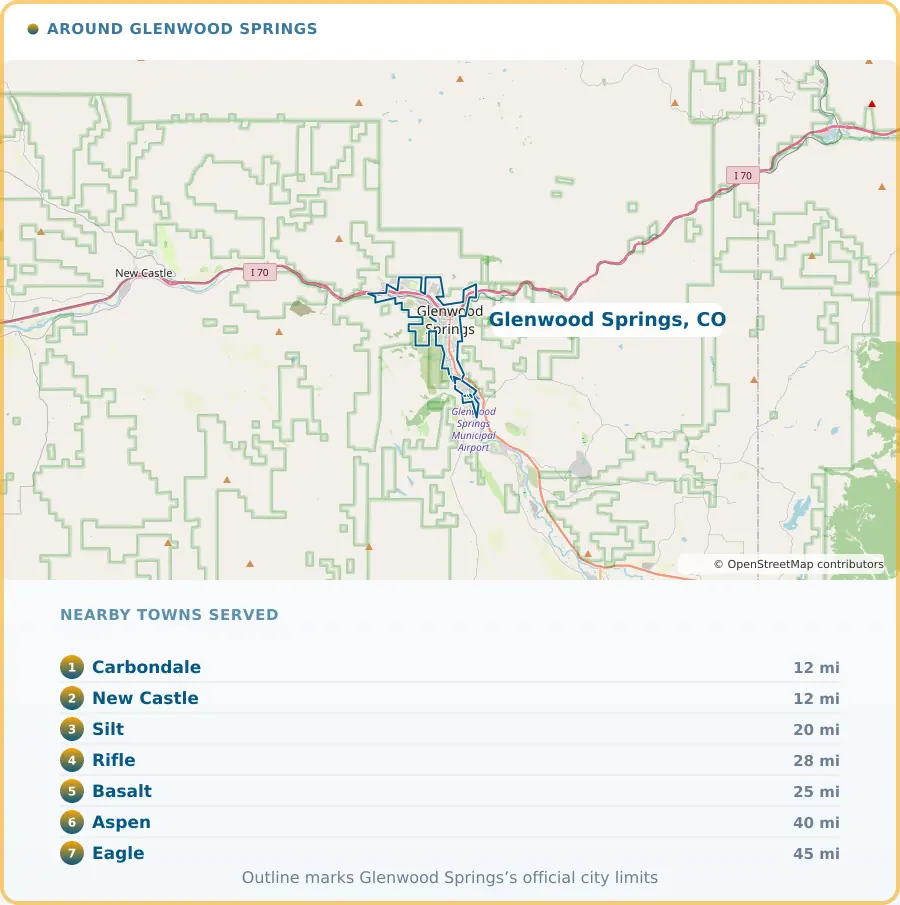
Coverage centres on Glenwood Springs, CO and reaches 7 surrounding communities. Response time is what matters most in the hours after a problem is found, so knowing the ground is part of the job.
Glenwood Springs, CO Information
Tucked where the mountains fold into river valleys, Glenwood Springs, CO draws much of its character from water — the namesake hot springs and the whitewater runs that pull visitors in year-round. With roughly 9,900 residents, the town keeps a small-town warmth while still serving as the commercial heart of Garfield County, supplying goods, services, and construction support to the surrounding mountain communities and nearby ski towns.
Tourism and hospitality set the seasonal rhythm, but steadier footing comes from healthcare and government work, with Valley View Hospital, the City of Glenwood Springs, and Garfield County among the area's largest employers. Add in Colorado Mountain College, local schools, and everyday staples like City Market and Walmart, and you get a community built as much for the people who live there as for those just passing through.
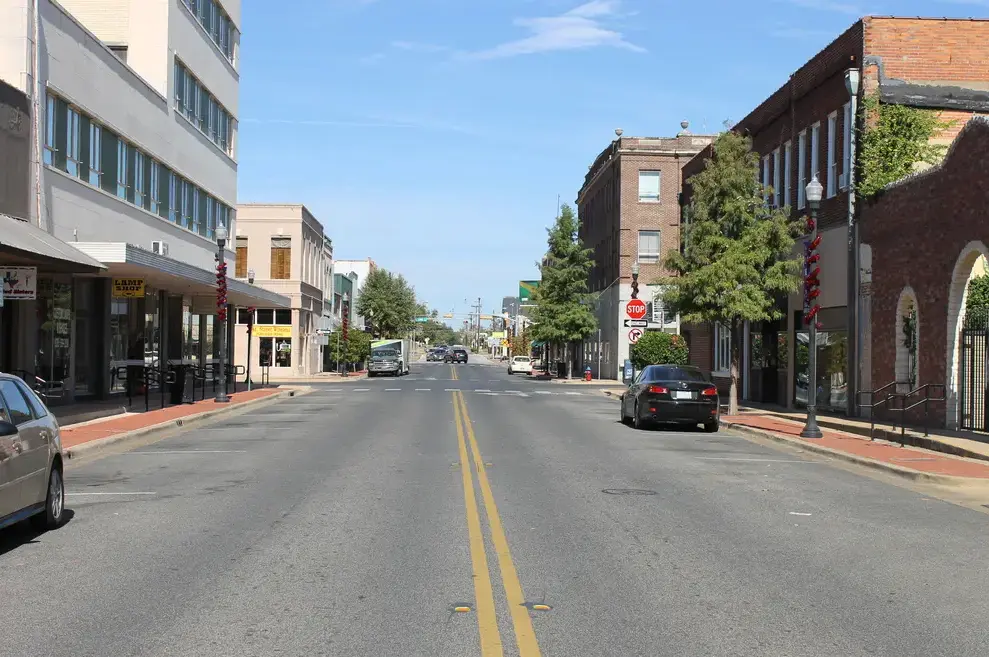
Photo: Billy Hathorn, CC BY-SA 3.0