

Crawl Space Mold Removal in Glenwood Springs, CO
Glenwood Springs' location in a river valley with naturally higher humidity creates persistent dampness in crawl spaces and partial basements year-round, making mold growth a common concern for property owners even during dry seasons. Bailey Mold Remediation connects you with local mold removal providers who specialize in addressing crawl space mold, ensuring thorough removal and proper moisture management to protect your home's structural integrity and indoor air quality. A timely inspection and professional removal plan can prevent small mold problems from becoming costly repairs down the road.
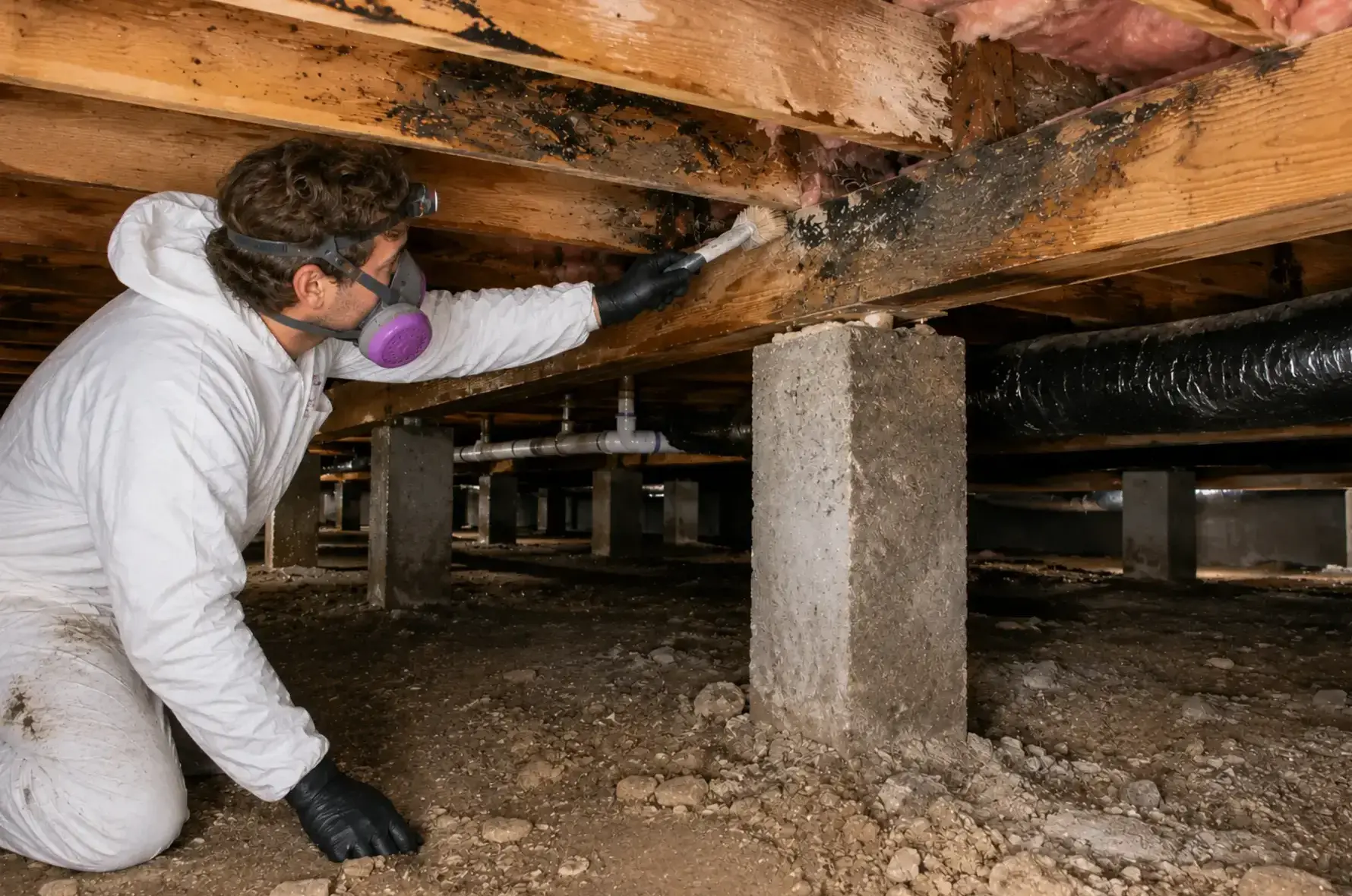
What gets cleaned in a crawl space, and what comes out
Whether a material is cleaned in place or removed is not decided by how bad the mold looks. It is decided by what the material is made of and how large the affected area is. Below is the EPA’s published guidance on both counts, for a crawl space.
| Material | Under 10 sq ftabout a cabinet door, or one ceiling tile | 10 to 100 sq ftroughly one wall, or a small bathroom | Over 100 sq ftmore than one room's worth of surface |
|---|---|---|---|
| Wood surfacesfloor joists, subfloor, beams and piersEPA, Table 2 | Wet vacuumDamp wipeHEPA vacuum | Wet vacuumDamp wipeHEPA vacuum | Wet vacuumDamp wipeHEPA vacuumRemove and discard |
| Concrete or cinder blockblock piers, stem walls and any slabEPA, Table 2 | Wet vacuumHEPA vacuum | Wet vacuumHEPA vacuum | Wet vacuumHEPA vacuum |
What those methods mean, in EPA's words
- Wet vacuum
Wet vacuums are vacuum cleaners designed to collect water. They can be used to remove water from floors, carpets and hard surfaces where water has accumulated.
EPA, cleanup methods- Damp wipe
Mold can generally be removed from nonporous (hard) surfaces by wiping or scrubbing with water, or water and detergent.
EPA, cleanup methods- HEPA vacuum
HEPA (High-Efficiency Particulate Air) vacuums are recommended for final cleanup of remediation areas after materials have been thoroughly dried and contaminated materials removed.
EPA, cleanup methods- Remove and discard
Building materials and furnishings that are contaminated with mold growth and are not salvageable should be double-bagged using 6-mil polyethylene sheeting.
EPA, cleanup methods
Removed and replaced, whatever the area
- Fiberglass or other insulation — batt insulation between the joists.
Fiber glass, or any other insulation material that is wet or visibly moldy (or if an unacceptable odor is present) should be removed and replaced by a qualified heating and cooling system contractor.
EPA, air duct cleaningEPA states this in its heating-and-cooling guidance and it is quoted here as written. Its water-damage table reaches the same conclusion for both fiberglass and cellulose insulation.
These guidelines are for damage caused by clean water. If you know or suspect that the water source is contaminated with sewage, or chemical or biological pollutants, then Personal Protective Equipment and containment are required by OSHA.
EPA, Table 1Porous materials that are wet and have mold growing on them may have to be discarded.
EPA, cleanup methodsMold can grow on wood, drywall, carpet and furniture if they remain wet for more than 24 hours.
EPA, flood cleanup
A missing or torn vapor barrier lets ground moisture into the framing continuously, so the lasting fix is the barrier and the drainage rather than the cleaning. Joists and subfloor are wood and are usually salvageable even at large areas. The batt insulation between them is not — and pulling it is often how the real extent of the problem first becomes visible.
Flooding is part of the record here, not an exception: 18 separate years in Garfield County, concentrated in the 2000s.Source: NOAA Storm Events Database, Garfield County (1996-2026; Flood, Flash Flood and Coastal Flood events)
Crawl Space Mold Removal in Glenwood Springs, CO
Glenwood Springs' location in a river valley with naturally higher humidity from its hot springs and waterways creates persistent moisture challenges for many local properties. Homes with crawl spaces in the area frequently experience year-round dampness, as these below-grade spaces trap humidity and restrict airflow, making them ideal environments for mold to take hold and spread. Without professional intervention, crawl space mold can compromise both the structural integrity of your home and the quality of the air you breathe indoors. Property owners throughout Glenwood Springs recognize that addressing crawl space mold promptly is essential to protecting their investment and maintaining a healthy living environment.
Bailey Mold Remediation connects Glenwood Springs property owners with independent local mold removal providers who understand the specific moisture dynamics of crawl spaces in this region. These professionals conduct thorough inspections to identify mold colonies, assess moisture sources, and evaluate structural conditions before developing a targeted removal plan. The work includes safe containment, careful removal of affected materials, and drying strategies designed to restore healthy moisture levels and prevent recurrence. Once remediation is complete, providers offer guidance on moisture management and follow-up support, ensuring your crawl space remains dry and mold-free long term.
Why Glenwood Springs Property Owners Choose Bailey Mold Remediation
Local Crawl Space Expertise
Bailey connects you with independent providers who understand crawl space mold in the Glenwood Springs area. Their familiarity with local moisture patterns and construction helps ensure thorough, lasting crawl space mold removal tailored to your home.
Responsive Crawl Space Mold Service
When crawl space mold threatens your indoor air quality, Bailey's referral network prioritizes quick connections to local removal specialists. Fast response means your crawl space mold problem gets addressed before conditions worsen.
Thorough Crawl Space Mold Removal
Bailey connects homeowners with providers who perform detailed crawl space mold removal, including proper containment and moisture control. Clear communication throughout the process keeps you informed every step of remediation.
Valley Moisture Calls for Action
Glenwood Springs' proximity to the Colorado River and hot springs creates year-round humidity that favors crawl space mold growth. Bailey helps connect property owners with local removal providers who address moisture-driven mold before it spreads.
How Our Crawl Space Mold Removal Process Works
Connect with a Local Crawl Space Mold Specialist
Contact Bailey Mold Remediation to be matched with an independent crawl space mold removal provider serving Glenwood Springs. We'll connect you quickly so the provider can schedule an initial assessment of your crawl space.
Get Your Crawl Space Inspected and Diagnosed
The mold removal provider will inspect your crawl space to identify moisture sources and mold growth. Glenwood Springs' river valley location and year-round dampness in crawl spaces create ideal conditions for mold; a thorough evaluation pinpoints the extent and cause so removal can be properly planned.
Complete Crawl Space Mold Removal and Prevention
The provider will contain and remove mold from your crawl space, address moisture sources, and recommend ventilation or drainage improvements to reduce future growth. Follow-up checks help ensure your crawl space stays dry and mold-free.
Dealing with Crawl Space Mold Removal in Glenwood Springs? Get fast, professional help.
Call Now — (970) 299-8100Crawl Space Mold Removal Across Glenwood Springs
Glenwood Springs' location in the Colorado River valley creates year-round moisture conditions that make crawl spaces particularly vulnerable to mold growth. The area's natural humidity from nearby hot springs and waterways keeps soil and foundation spaces damp throughout the seasons, even when surface conditions appear dry. Homes with crawl spaces in this environment face persistent moisture challenges that can accelerate mold colonization without prompt detection and removal, making professional assessment and remediation especially important for protecting indoor air quality and structural integrity.
Property owners across Glenwood Springs benefit from working with local mold removal providers who understand how the valley's moisture patterns affect crawl space environments year after year. Whether your home sits in an older neighborhood or a newer section of town, the underlying moisture risk remains consistent—crawl spaces need active management to prevent mold from taking hold. Bailey Mold Remediation connects you with independent local specialists who can evaluate your crawl space, identify moisture sources, and recommend removal and drying strategies tailored to conditions specific to your property.
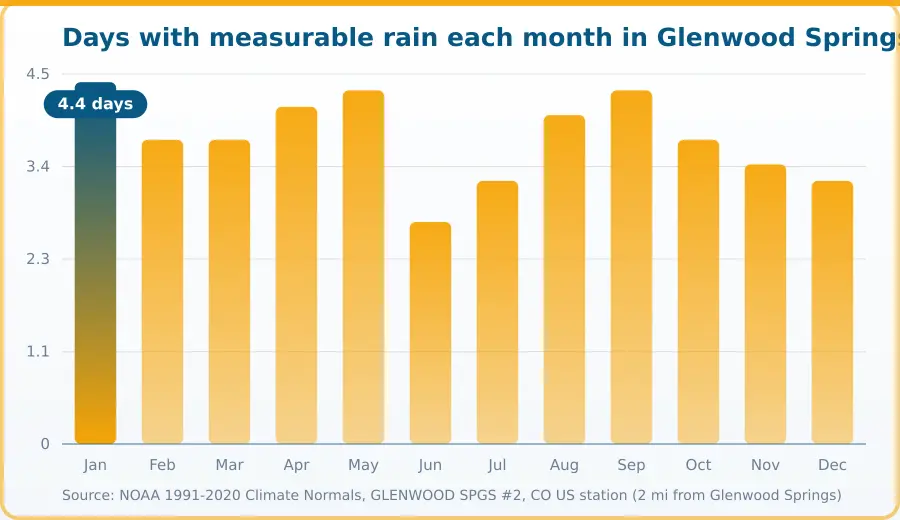
| Period | Days with measurable rain by month (days) |
|---|---|
| Jan | 4.4 |
| Feb | 3.7 |
| Mar | 3.7 |
| Apr | 4.1 |
| May | 4.3 |
| Jun | 2.7 |
| Jul | 3.2 |
| Aug | 4 |
| Sep | 4.3 |
| Oct | 3.7 |
| Nov | 3.4 |
| Dec | 3.2 |
Source: NOAA 1991-2020 Climate Normals, GLENWOOD SPGS #2, CO US station (2 mi from Glenwood Springs). Retrieved October 5, 2026.
Seasonal Crawl Space Mold Removal Guide for Glenwood Springs
Spring: Snowmelt and Moisture Surge
Spring runoff increases groundwater pressure beneath homes, pushing moisture into crawl spaces where mold thrives in the warming air. Bailey Mold Remediation connects you with local providers who assess crawl space drainage and containment before mold establishes deep roots in framing and insulation.
Summer: Heat and Humidity Cycles
Daytime heat combined with overnight cooling creates condensation in crawl spaces, especially in structures where damp conditions persist year-round along Colorado River valleys. Local providers accessed through Bailey evaluate ventilation, vapor barriers, and active mold colonies to prevent summer growth from compromising indoor air quality.
Fall: Preparation and Early Detection
As temperatures drop and homes close up for winter, stagnant air in crawl spaces allows existing mold to expand unnoticed. Bailey Mold Remediation helps property owners connect with providers for fall inspections and removal, ensuring crawl space remediation is complete before heating season traps moisture indoors.
Winter: Cold Traps and Condensation
Glenwood Springs' river valley location keeps crawl spaces damp even in winter, while heated homes above create temperature gradients that cause condensation on cold surfaces below. Local remediation providers help remove active mold and install dehumidification or drainage solutions to interrupt the moisture cycle feeding winter mold growth.
Related Services
Crawl Space Mold Removal FAQs — Glenwood Springs, CO
Crawl space mold removal typically includes inspection to identify affected areas, containment to prevent spore spread, removal of contaminated materials, thorough cleaning and treatment of surfaces, and addressing moisture sources. The independent providers Bailey connects you with will assess the extent of growth and determine the best removal approach for your property's specific situation.
Bailey Mold Remediation works to connect Glenwood Springs property owners with local crawl space mold removal providers promptly. Response times depend on provider availability in your area. When you submit a request, you'll be matched with independent local providers who can discuss timeline and scheduling directly with you.
Crawl space mold removal pricing depends on the affected area's size, mold extent, accessibility, moisture source severity, and required remediation methods. Each independent provider sets their own pricing based on the scope of work needed. Providers will typically offer an assessment or estimate after evaluating your crawl space.
Before removal begins, clear the crawl space of stored items and personal belongings if possible. Ensure access points are safely reachable. The independent provider will handle containment, protective measures, and work preparation. Discuss any concerns or access limitations with your provider when scheduling.
After removal, moisture control is key to preventing future mold growth. Maintain proper ventilation, monitor humidity levels, and address any water intrusion or drainage issues promptly. The providers Bailey connects you with can recommend ongoing maintenance and moisture management strategies tailored to your home's conditions.
Glenwood Springs' location in a river valley with naturally elevated moisture from the Colorado River and hot springs creates conditions where crawl spaces tend to stay damp throughout the year. This persistent moisture environment makes crawl space mold growth more favorable even without major water events, highlighting why regular monitoring and proper moisture control are important for homeowners here.
Homeowner Safety Toolkit
Verify Your Glenwood Springs, CO Mold Remediation Company
Before you hire anyone, use these independent national resources to confirm credentials, standards, and track record.
ACAC
An independently accredited certifying body for mold inspectors and consultants — one of the few in this field whose standards are verified by an outside accreditation board, not just self-declared.
Find a Certified InspectorIICRC
Publishes the S520 standard for professional mold remediation. Confirm a company's technicians hold real, current IICRC certification before you hire them.
Verify CertificationCDC
Covers the health effects of mold exposure and safe cleanup practices, separate from the remediation work itself — useful if anyone in the home has respiratory symptoms.
Mold Health GuideDealing with Crawl Space Mold Removal in Glenwood Springs, CO? Call (970) 299-8100 for 24/7 help.
Call Now — (970) 299-8100Areas We Serve in Glenwood Springs, Colorado
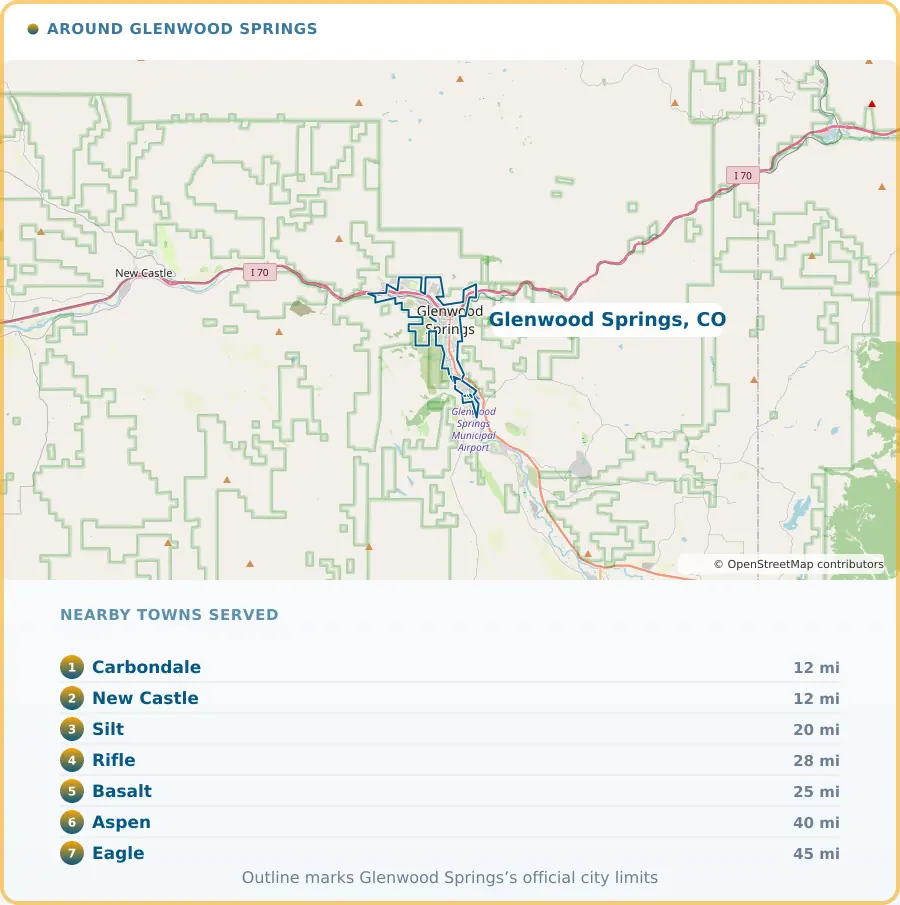
Coverage centres on Glenwood Springs, CO and reaches 7 surrounding communities. Response time is what matters most in the hours after a problem is found, so knowing the ground is part of the job.
Glenwood Springs, CO Information
Tucked where the mountains fold into river valleys, Glenwood Springs, CO draws much of its character from water — the namesake hot springs and the whitewater runs that pull visitors in year-round. With roughly 9,900 residents, the town keeps a small-town warmth while still serving as the commercial heart of Garfield County, supplying goods, services, and construction support to the surrounding mountain communities and nearby ski towns.
Tourism and hospitality set the seasonal rhythm, but steadier footing comes from healthcare and government work, with Valley View Hospital, the City of Glenwood Springs, and Garfield County among the area's largest employers. Add in Colorado Mountain College, local schools, and everyday staples like City Market and Walmart, and you get a community built as much for the people who live there as for those just passing through.
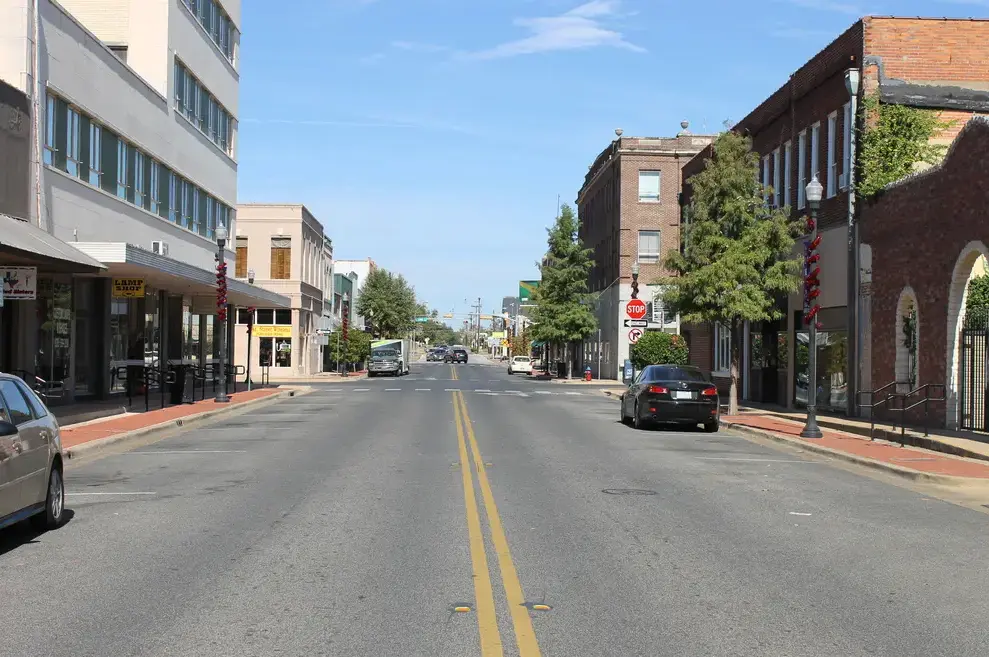
Photo: Billy Hathorn, CC BY-SA 3.0