

Indoor Air Quality Testing in Glenwood Springs, CO
Glenwood Springs' location in a river valley with naturally elevated humidity from hot springs and waterways creates persistent moisture conditions that favor mold growth, particularly in homes with crawl spaces or partial basements where dampness lingers year-round. Indoor Air Quality Testing identifies mold spores and moisture levels before they become visible problems, helping property owners in Glenwood Springs understand what's circulating through their home's air and whether remediation is needed. Early detection through air quality testing protects your property's integrity and the health of those living inside.
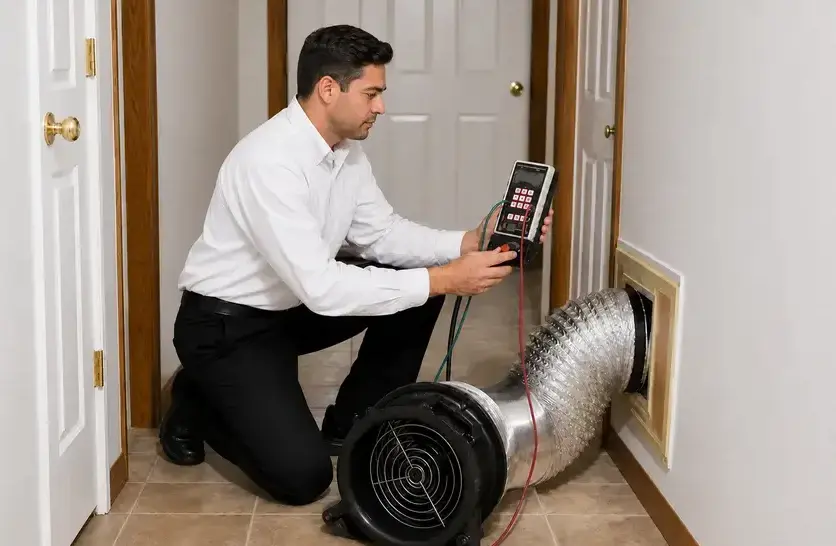
Do you need mold testing in Glenwood Springs, CO?
The useful question is not whether to test but what a test can settle. EPA is specific about both halves of that, and this is its published position.
Surface sampling may be useful to determine if an area has been adequately cleaned or remediated.EPA
Sampling for mold should be conducted by professionals who have specific experience in designing mold sampling protocols, sampling methods and interpreting results.EPA
That is the honest answer to when testing is worth paying for: to find what is hidden, and to verify a clean-up. What it cannot do is produce a pass or fail, because no federal threshold exists to measure a result against — which is why no one can tell you a safe spore count.
Currently, there are no EPA regulations or standards for airborne mold contaminants.EPA
In most cases, if visible mold growth is present, sampling is unnecessary.EPA
In Glenwood Springs that question comes up often for a reason: Garfield County has flood events on record in 18 separate years, and water that sat inside a wall does not announce itself.Source: NOAA Storm Events Database, Garfield County (1996-2026; Flood, Flash Flood and Coastal Flood events)
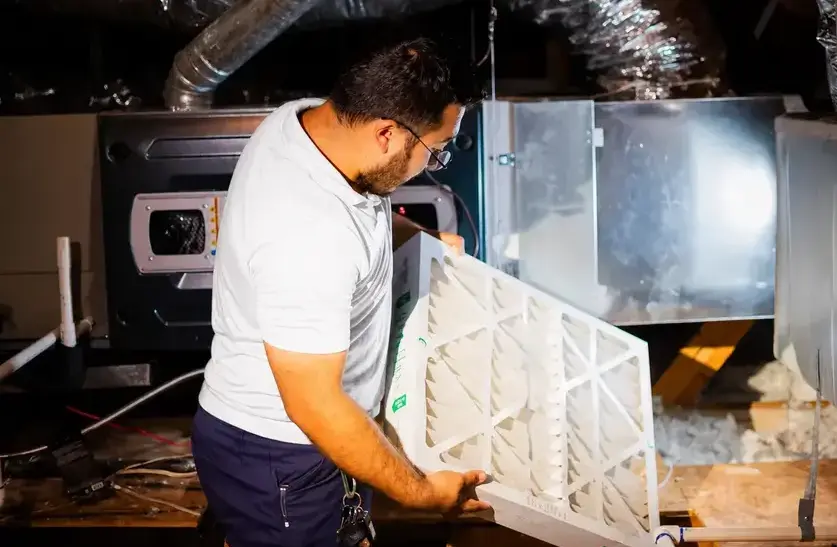
Indoor Air Quality Testing Protects Glenwood Springs Homes
Glenwood Springs' location in a river valley creates naturally elevated humidity levels year-round, and many homes in the area feature crawl spaces or partial basements that remain consistently damp. These moisture-rich environments provide ideal conditions for mold and other indoor air contaminants to develop and spread, often without obvious signs until indoor air quality has been compromised. Property owners in Glenwood Springs who notice musty odors, visible discoloration on walls or ceilings, or simply want to verify the safety of their home's air should consider indoor air quality testing as a proactive step toward protecting their household.
Bailey Mold Remediation connects Glenwood Springs property owners with independent local providers who conduct thorough indoor air quality testing and assessment. These professionals take a detailed approach—evaluating moisture patterns, identifying potential sources of contamination, and measuring air quality indicators to give you a clear picture of your home's condition. Once testing is complete, you'll receive transparent findings and a path forward tailored to your situation, whether that involves mold remediation, moisture control, or other related indoor air improvements. Starting with testing ensures any action taken is based on solid data rather than guesswork.
Why Glenwood Springs Homeowners Choose Bailey for Indoor Air Quality Testing
Local Technicians, Fast Response
Indoor air quality testing connects you with local providers who understand Glenwood Springs moisture patterns and respond quickly. Same-day scheduling and rapid turnaround mean answers about your home's air quality when you need them most.
Clear Testing Results, Transparent Communication
Indoor air quality testing reveals what's actually in your air—mold spores, humidity levels, and contamination sources. Providers explain findings in plain language and recommend next steps, so you make decisions based on facts, not guesswork.
Thorough Indoor Air Quality Testing Process
Professional indoor air quality testing samples multiple areas of your home, including crawl spaces and enclosed areas where moisture lingers. This comprehensive approach identifies hidden mold growth and air quality issues before they worsen.
River Valley Homes Need Regular Air Quality Checks
Glenwood Springs' river valley location and natural moisture from hot springs create persistent dampness in many homes, especially those with crawl spaces or partial basements. Indoor air quality testing catches mold and moisture problems early, protecting your home's health before conditions become severe.
How Our Indoor Air Quality Testing Process Works
Schedule Your Indoor Air Quality Testing Visit
Contact Bailey Mold Remediation to arrange an indoor air quality testing appointment with a local provider in Glenwood Springs. A qualified technician will assess your home's air quality and moisture levels to identify potential mold and contamination sources.
Receive Detailed Indoor Air Quality Test Results
The independent provider conducts professional indoor air quality testing, collecting samples to evaluate mold spore counts, humidity, and airborne contaminants. Results pinpoint problem areas—especially in damp crawl spaces or below-grade rooms where moisture accumulates year-round in the valley's humid climate.
Plan Remediation and Air Quality Restoration
Based on testing findings, your connected provider recommends targeted remediation to remove mold sources and restore indoor air quality. Follow-up testing confirms that air quality improvements have been achieved and your home's environment is healthier.
Dealing with Indoor Air Quality Testing in Glenwood Springs? Get fast, professional help.
Call Now — (970) 299-8100Indoor Air Quality Testing Across Glenwood Springs
Glenwood Springs' unique position in the Colorado River valley creates persistent moisture conditions that significantly impact indoor air quality across the community. The area's naturally elevated humidity—driven by the hot springs and nearby waterways—means that homes and businesses often face year-round damp conditions, particularly in crawl spaces and partial basements where air circulation is limited. These below-grade spaces remain vulnerable to moisture accumulation even during seasons with typical precipitation, establishing an environment where mold growth can develop gradually without obvious water damage.
Indoor air quality testing becomes especially important in Glenwood Springs because moisture-related mold growth can progress silently in these confined areas, affecting the air you breathe indoors long before visible signs appear. A thorough indoor air quality assessment helps identify elevated mold spore levels and moisture patterns specific to your property's construction and location, informing whether remediation is needed and guiding the scope of work. Bailey Mold Remediation connects Glenwood Springs property owners with independent local providers who understand how the valley's humidity and typical home construction interact to influence indoor air conditions, ensuring testing and remediation decisions are grounded in site-specific findings.
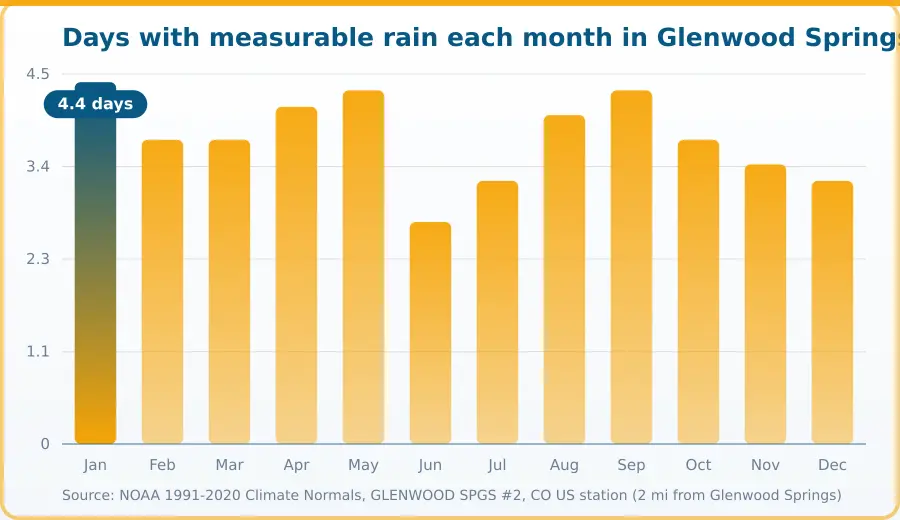
| Period | Days with measurable rain by month (days) |
|---|---|
| Jan | 4.4 |
| Feb | 3.7 |
| Mar | 3.7 |
| Apr | 4.1 |
| May | 4.3 |
| Jun | 2.7 |
| Jul | 3.2 |
| Aug | 4 |
| Sep | 4.3 |
| Oct | 3.7 |
| Nov | 3.4 |
| Dec | 3.2 |
Source: NOAA 1991-2020 Climate Normals, GLENWOOD SPGS #2, CO US station (2 mi from Glenwood Springs). Retrieved October 5, 2026.
Seasonal Indoor Air Quality Testing Across Glenwood Springs
Spring: Thawing and Moisture Rise
Spring snowmelt increases groundwater levels throughout the region, raising indoor humidity in homes with crawl spaces and partial basements. Indoor air quality testing becomes essential to detect mold spore concentrations before they peak. Bailey Mold Remediation connects property owners with local providers who perform comprehensive air sampling and surface testing to identify early colonization.
Summer: Peak Activity and Assessment
Warm temperatures accelerate mold growth and spore dispersal indoors, making summer the ideal season for detailed indoor air quality testing. Property owners often notice musty odors or respiratory concerns at this time. Local providers accessed through Bailey Mold Remediation use testing to quantify indoor spore loads and compare them to outdoor baselines, revealing whether active colonization requires remediation.
Fall: Pre-Winter Preparation
As homes are sealed for winter and HVAC systems cycle more frequently, stagnant air traps moisture and mold spores. Indoor air quality testing in fall identifies contamination before occupants spend months in closed, recirculated environments. Bailey Mold Remediation helps property owners schedule testing and connect with providers who can recommend filtration upgrades or remediation before cold weather locks in poor air conditions.
Winter: Condensation and Containment
Temperature differences between heated interiors and cold exterior walls create condensation zones where mold thrives indoors, while fire damage restoration efforts may also disturb settled spores. Winter indoor air quality testing reveals whether heating systems are distributing mold spores throughout the home. Providers in Bailey Mold Remediation's network conduct testing to assess whether containment and source removal are needed before spring thaw compounds moisture problems.
Related Services
Indoor Air Quality Testing FAQs — Glenwood Springs, CO
Indoor air quality testing measures contaminants in your home's air, including mold spores, moisture levels, and other particles that affect health. The independent providers Bailey connects you to will assess your property's conditions, take samples if needed, and provide findings about what's present in your indoor environment and where moisture or mold concerns may be developing.
Bailey Mold Remediation connects you with local independent providers in Glenwood Springs who can schedule testing promptly. Response times vary by provider availability, but the goal is to get your property assessed without long delays so you can understand your indoor air quality and take action if needed.
Pricing for indoor air quality testing depends on your property's size, the number of areas tested, whether samples are sent to a lab for analysis, and the complexity of moisture assessment. The independent provider you're connected with will discuss their pricing structure based on your specific testing needs.
Before testing, ensure the independent provider has clear access to all areas of your home, including crawl spaces or lower levels where moisture commonly collects. Avoid using air purifiers or opening windows immediately before testing, as these can affect results. The provider will give you specific preparation guidance when you schedule.
After testing, address any moisture or mold findings promptly with the remediation provider. Ongoing steps include managing humidity levels, ensuring proper ventilation, maintaining gutters, and keeping lower-level areas dry. Regular monitoring helps catch new indoor air quality issues before they worsen in your home.
Yes. Glenwood Springs' proximity to water and natural humidity sources means indoor moisture can accumulate throughout the year, particularly in crawl spaces and partial basements that stay damp. Testing helps identify whether moisture and mold are affecting your air quality regardless of season, protecting your home's indoor environment.
Homeowner Safety Toolkit
Verify Your Glenwood Springs, CO Mold Remediation Company
Before you hire anyone, use these independent national resources to confirm credentials, standards, and track record.
ACAC
An independently accredited certifying body for mold inspectors and consultants — one of the few in this field whose standards are verified by an outside accreditation board, not just self-declared.
Find a Certified InspectorIICRC
Publishes the S520 standard for professional mold remediation. Confirm a company's technicians hold real, current IICRC certification before you hire them.
Verify CertificationCDC
Covers the health effects of mold exposure and safe cleanup practices, separate from the remediation work itself — useful if anyone in the home has respiratory symptoms.
Mold Health GuideDealing with Indoor Air Quality Testing in Glenwood Springs, CO? Call (970) 299-8100 for 24/7 help.
Call Now — (970) 299-8100Areas We Serve in Glenwood Springs, Colorado
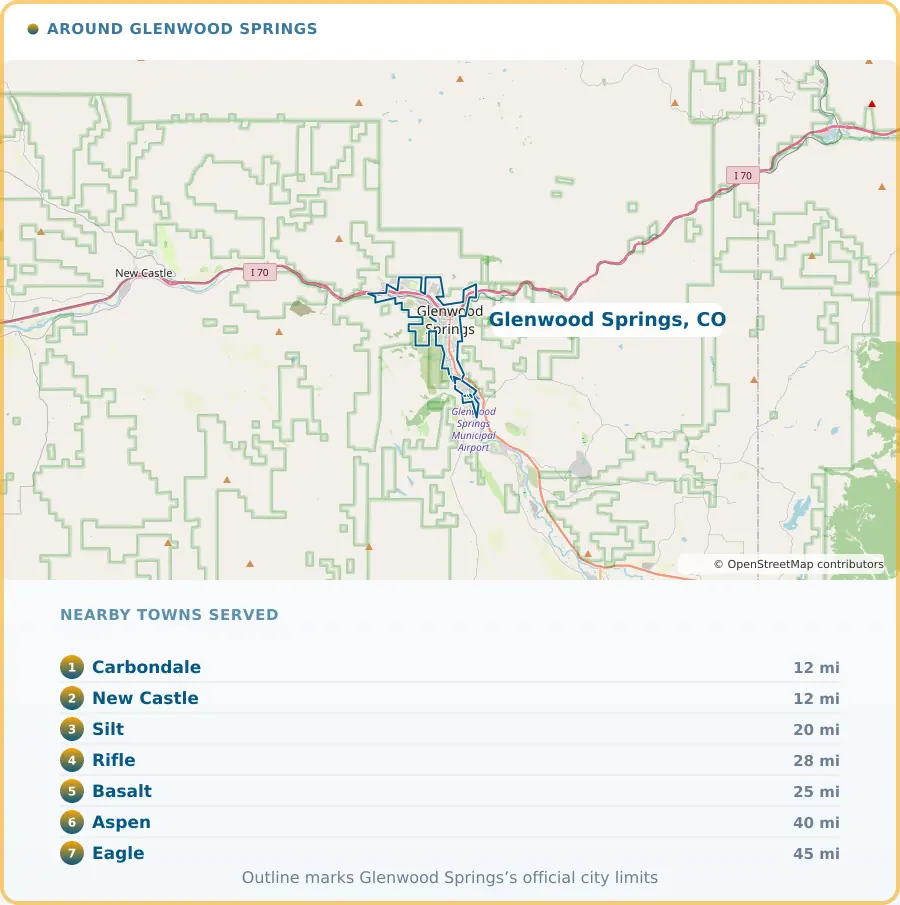
Coverage centres on Glenwood Springs, CO and reaches 7 surrounding communities. Response time is what matters most in the hours after a problem is found, so knowing the ground is part of the job.
Glenwood Springs, CO Information
Tucked where the mountains fold into river valleys, Glenwood Springs, CO draws much of its character from water — the namesake hot springs and the whitewater runs that pull visitors in year-round. With roughly 9,900 residents, the town keeps a small-town warmth while still serving as the commercial heart of Garfield County, supplying goods, services, and construction support to the surrounding mountain communities and nearby ski towns.
Tourism and hospitality set the seasonal rhythm, but steadier footing comes from healthcare and government work, with Valley View Hospital, the City of Glenwood Springs, and Garfield County among the area's largest employers. Add in Colorado Mountain College, local schools, and everyday staples like City Market and Walmart, and you get a community built as much for the people who live there as for those just passing through.

Photo: Billy Hathorn, CC BY-SA 3.0