

Mold Inspection in Glenwood Springs, CO
Glenwood Springs' location in a river valley with natural humidity from hot springs and waterways creates persistent moisture conditions that favor mold growth in many local homes, particularly those with crawl spaces or partial basements where dampness lingers year-round. Mold inspection identifies hidden growth in these moisture-prone areas before it spreads, protecting indoor air quality and the structural integrity of your property. Bailey Mold Remediation connects you with local inspection providers who can assess your home's moisture vulnerabilities and recommend remediation if needed.
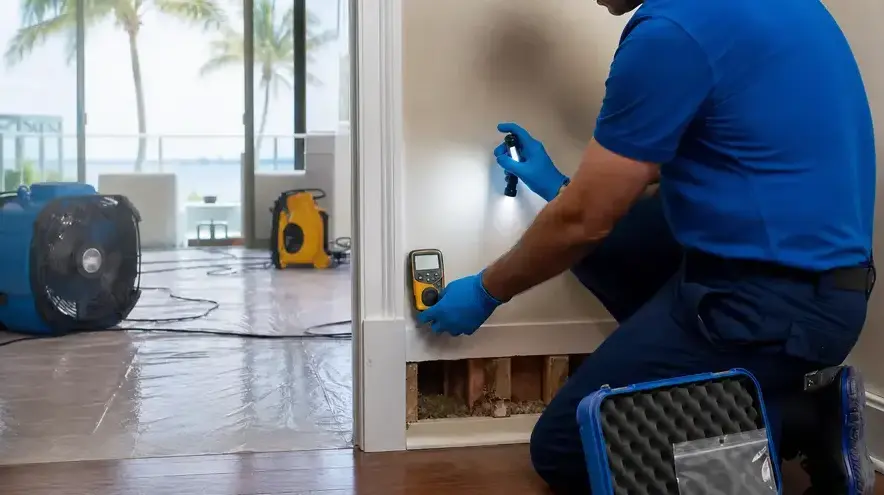
What does a mold inspection look for in Glenwood Springs, CO?
The useful question is not whether to test but what a test can settle. EPA is specific about both halves of that, and this is its published position.
Surface sampling may be useful to determine if an area has been adequately cleaned or remediated.EPA
Sampling for mold should be conducted by professionals who have specific experience in designing mold sampling protocols, sampling methods and interpreting results.EPA
So sampling earns its place at the two ends of a job — confirming what is there when it is hidden, and confirming it has gone once the work is done. EPA is equally clear that it is not always needed: in most cases, if visible mold growth is present, sampling is unnecessary, and there is no federal number a result can be measured against.
In most cases, if visible mold growth is present, sampling is unnecessary.EPA
Standards or Threshold Limit Values (TLVs) for airborne concentrations of mold, or mold spores, have not been set.EPA
There is a reason to look harder here than the visible surface: Garfield County has recorded flood events in 18 separate years, most recently in 2023. Water that arrived years ago leaves growth behind whether or not anyone found it at the time.Source: NOAA Storm Events Database, Garfield County (1996-2026; Flood, Flash Flood and Coastal Flood events)
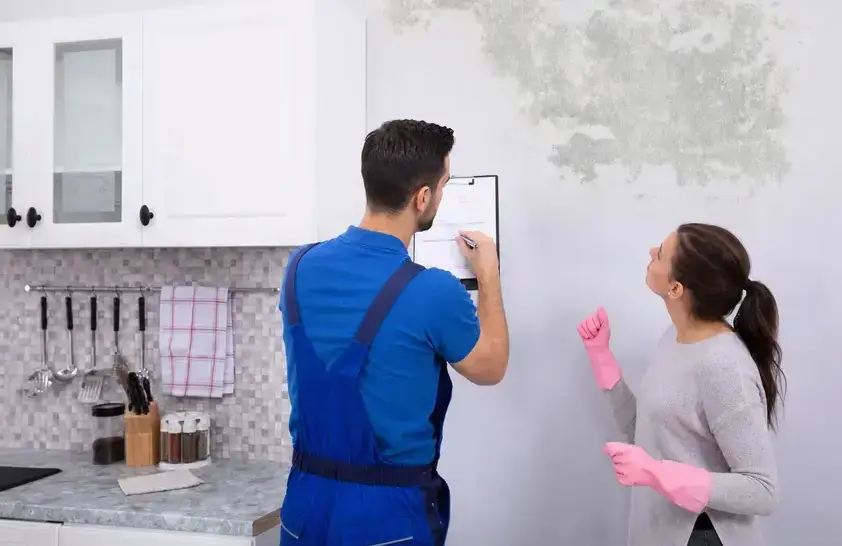
Why Glenwood Springs Homeowners Need Mold Inspection
Glenwood Springs' setting along the Colorado River and proximity to natural hot springs create an environment where indoor moisture tends to linger. Many properties in the area feature crawl spaces or partial basements that remain damp throughout the year, providing ideal conditions for mold to develop and spread. Even without major water intrusion events, the persistent moisture from the region's geography and seasonal patterns can lead to hidden mold growth behind walls, under floors, and in foundation areas where it remains undetected until it affects indoor air quality or structural integrity. A thorough mold inspection in Glenwood Springs is essential to identify these moisture-prone areas before problems escalate.
Bailey Mold Remediation connects Glenwood Springs property owners with local mold inspection professionals who take a methodical approach to identifying active growth, moisture sources, and at-risk areas throughout your home or business. These independent providers conduct detailed visual inspections, use moisture-detection tools, and assess ventilation and humidity patterns to build a complete picture of your property's mold risk. Once an inspection is complete, they explain findings clearly and help guide next steps—whether that means remediation, moisture control, or ongoing monitoring. Starting with a professional mold inspection puts you in control of your property's health and indoor air quality.
Why Glenwood Springs Property Owners Choose Bailey Mold Inspection
Thorough Mold Inspection Protocols
Mold inspection requires systematic assessment of visible growth, moisture sources, and hidden damage. Bailey connects you with local providers who conduct detailed walkthroughs, use moisture detection tools, and document findings clearly so you understand what's present and where.
Rapid Mold Inspection Response
When moisture damage occurs, prompt mold inspection prevents growth from spreading deeper into walls and materials. Bailey's network of independent local inspectors responds quickly to schedule assessments, helping you address problems before they expand and remediation becomes more complex.
Clear Mold Inspection Reporting
After mold inspection, you need straightforward information about affected areas, moisture drivers, and next steps. Bailey's connected providers deliver detailed reports and communicate findings in plain language so you can make informed decisions about remediation and prevention.
Mold Inspection for Damp Homes
Glenwood Springs' river-valley setting and year-round moisture in crawl spaces and lower levels create persistent damp conditions where mold thrives without obvious water damage. Regular mold inspection catches growth early, protecting indoor air quality and structural integrity in moisture-prone properties.
How Our Mold Inspection Process Works
Request Your Mold Inspection
Contact Bailey Mold Remediation to schedule a mold inspection appointment in Glenwood Springs. We'll connect you with a local independent mold inspection provider who can visit your property and assess your home or building for mold growth and moisture concerns.
Complete the Mold Inspection Assessment
The independent mold inspector will conduct a thorough visual examination and moisture evaluation of your property, paying close attention to areas prone to dampness—particularly crawl spaces and partial basements common in the valley, where year-round moisture can create conditions favorable to mold growth. The inspector will document findings and discuss results with you.
Receive Inspection Results and Next Steps
You'll receive a detailed mold inspection report outlining any mold or moisture issues found. If remediation is needed, we can connect you with local independent mold remediation providers to address the problem and help restore your indoor air quality.
Dealing with Mold Inspection in Glenwood Springs? Get fast, professional help.
Call Now — (970) 299-8100Mold Inspection Across Glenwood Springs
Glenwood Springs' location in a river valley with proximity to hot springs and waterways creates naturally elevated indoor humidity levels year-round. This moisture-rich environment means that many homes in the area—particularly those with crawl spaces or partial basements that retain dampness throughout the seasons—face ongoing conditions that support mold growth. Even without a major water event, the combination of valley geography and water features means indoor moisture can accumulate steadily, making mold inspection an important part of property maintenance in this region.
A professional mold inspection helps identify where moisture is collecting in your home and whether mold has already begun to develop in less visible areas. Since Glenwood Springs properties often contend with persistent dampness in foundation spaces and lower levels, thorough inspection can catch early colonization before it spreads and affects indoor air quality. Bailey Mold Remediation connects property owners with local inspection and remediation providers who understand these specific moisture challenges and can recommend targeted solutions for your home.
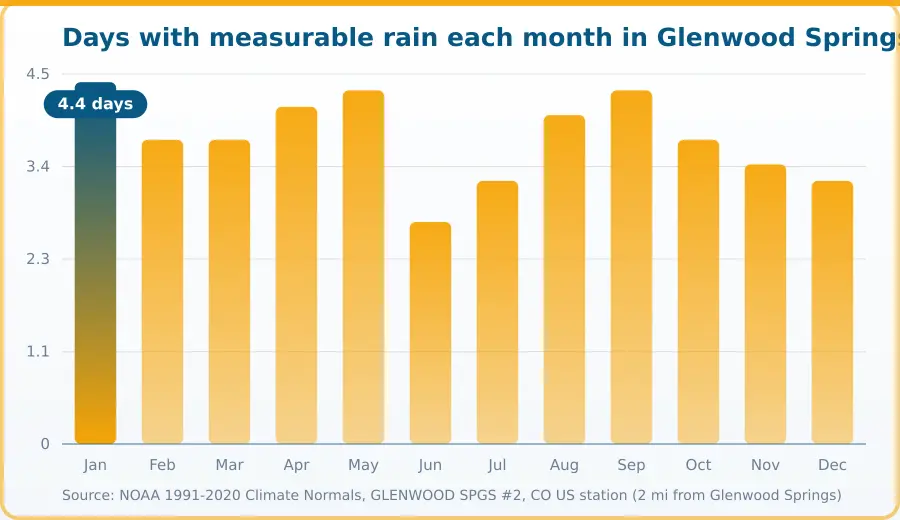
| Period | Days with measurable rain by month (days) |
|---|---|
| Jan | 4.4 |
| Feb | 3.7 |
| Mar | 3.7 |
| Apr | 4.1 |
| May | 4.3 |
| Jun | 2.7 |
| Jul | 3.2 |
| Aug | 4 |
| Sep | 4.3 |
| Oct | 3.7 |
| Nov | 3.4 |
| Dec | 3.2 |
Source: NOAA 1991-2020 Climate Normals, GLENWOOD SPGS #2, CO US station (2 mi from Glenwood Springs). Retrieved October 5, 2026.
Seasonal Mold Inspection Needs in Glenwood Springs
Spring: Snowmelt and Moisture
Spring thaw increases groundwater and soil moisture around foundations, raising indoor humidity that accelerates mold colonization. Mold inspection becomes critical as properties transition from winter to reveal hidden growth in walls, attics, and crawl spaces where moisture accumulated. Bailey Mold Remediation connects you with local inspectors who identify moisture entry points before active mold spreads.
Summer: Heat and Indoor Humidity
Warm temperatures accelerate mold growth rates indoors, especially in cooler, damp areas where air conditioning creates condensation. Mold inspection during summer reveals faster-spreading colonies in poorly ventilated spaces and identifies whether cooling systems are introducing excess moisture. Bailey connects you to inspectors who assess your property's seasonal humidity patterns and recommend containment before remediation becomes extensive.
Fall: Preparation and Prevention
As humidity levels fluctuate and homes prepare for winter closure, mold inspection uncovers dormant or slow-growing colonies that thrive in fall's variable moisture. Properties in river-valley locations with crawl spaces and partial basements face year-round damp conditions, making fall inspection essential before those spaces become sealed and difficult to access. Bailey Mold Remediation links you with inspectors who document baseline mold status and moisture before cold-season risks intensify.
Winter: Cold and Condensation
Winter's temperature swings create condensation on windows, pipes, and interior surfaces where mold establishes quickly indoors. Mold inspection identifies moisture traps created by heating systems and identifies whether warm indoor air is fueling growth in uninsulated or poorly sealed areas. Bailey helps you connect with local inspectors to assess winter moisture hazards and plan remediation before spring thaw complicates the situation.
Related Services
Mold Inspection FAQs — Glenwood Springs, CO
A mold inspection includes a visual assessment of your property's interior and exterior, identifying areas where moisture collects or mold may be growing. The inspector looks for discoloration, musty odors, and water damage, often using specialized tools to detect moisture in walls and hidden spaces. A thorough inspection helps determine the extent of any mold presence and guides next steps for remediation if needed.
Bailey Mold Remediation connects you with independent local mold inspection providers in Glenwood Springs who can typically respond promptly to schedule your inspection. Contact Bailey to discuss your situation, and we'll match you with a nearby provider who can arrange an appointment that fits your timeline.
Mold inspection pricing depends on factors like your property's size, accessibility of areas to be inspected, and whether air or surface samples are needed. Independent providers in Glenwood Springs set their own pricing based on the scope of work. Contact Bailey to get connected with local inspectors who can provide quotes for your specific situation.
Before your inspection, ensure the inspector has access to all areas being evaluated, including crawl spaces, attics, and basements. Make note of any visible moisture, water stains, or musty smells to mention. Clear pathways so the inspector can move through your home safely and thoroughly. The provider will guide you on any additional steps when they confirm your appointment.
After your inspection, focus on controlling indoor humidity through proper ventilation, using exhaust fans in bathrooms and kitchens, and addressing any water leaks promptly. Ensure gutters drain away from your foundation, and maintain good airflow in enclosed spaces. The inspector's findings will help you understand which areas need attention to prevent mold from returning.
Glenwood Springs' location along the Colorado River and proximity to hot springs create naturally higher humidity levels that can support mold growth indoors, especially in damp crawl spaces and partial basements common to area homes. Regular mold inspection helps catch problems early before they affect your indoor air quality or property structure, making it a smart preventive step for many homeowners here.
Homeowner Safety Toolkit
Verify Your Glenwood Springs, CO Mold Remediation Company
Before you hire anyone, use these independent national resources to confirm credentials, standards, and track record.
ACAC
An independently accredited certifying body for mold inspectors and consultants — one of the few in this field whose standards are verified by an outside accreditation board, not just self-declared.
Find a Certified InspectorIICRC
Publishes the S520 standard for professional mold remediation. Confirm a company's technicians hold real, current IICRC certification before you hire them.
Verify CertificationCDC
Covers the health effects of mold exposure and safe cleanup practices, separate from the remediation work itself — useful if anyone in the home has respiratory symptoms.
Mold Health GuideDealing with Mold Inspection in Glenwood Springs, CO? Call (970) 299-8100 for 24/7 help.
Call Now — (970) 299-8100Areas We Serve in Glenwood Springs, Colorado
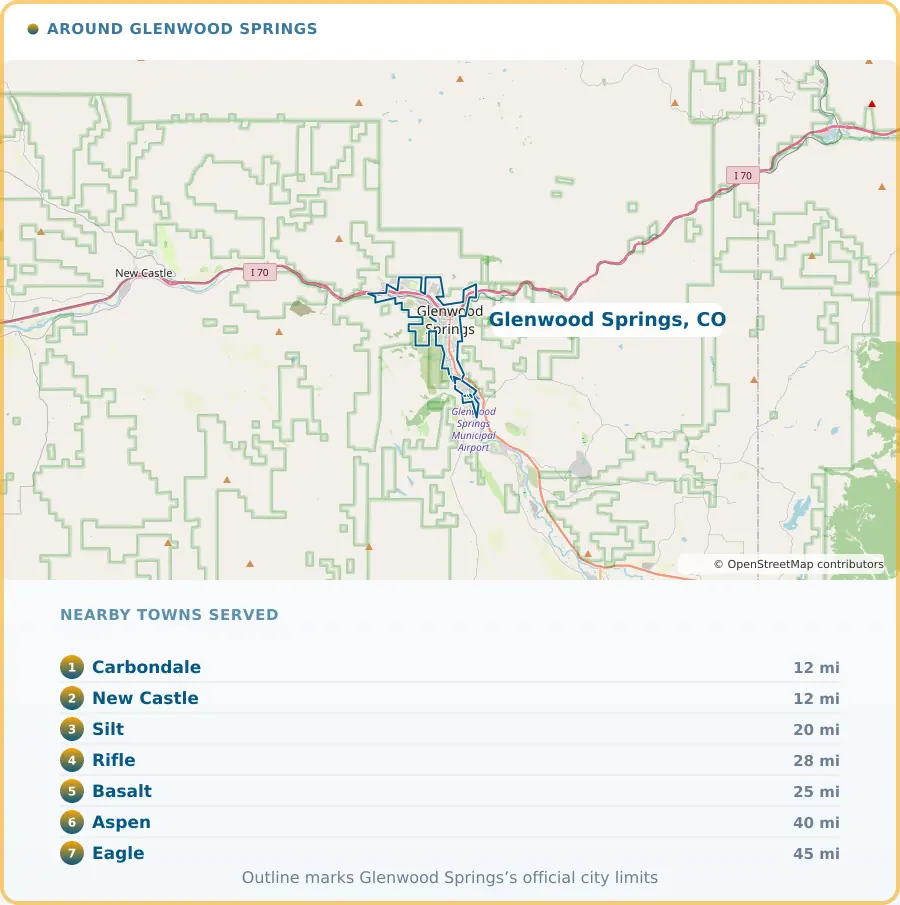
Coverage centres on Glenwood Springs, CO and reaches 7 surrounding communities. Response time is what matters most in the hours after a problem is found, so knowing the ground is part of the job.
Glenwood Springs, CO Information
Tucked where the mountains fold into river valleys, Glenwood Springs, CO draws much of its character from water — the namesake hot springs and the whitewater runs that pull visitors in year-round. With roughly 9,900 residents, the town keeps a small-town warmth while still serving as the commercial heart of Garfield County, supplying goods, services, and construction support to the surrounding mountain communities and nearby ski towns.
Tourism and hospitality set the seasonal rhythm, but steadier footing comes from healthcare and government work, with Valley View Hospital, the City of Glenwood Springs, and Garfield County among the area's largest employers. Add in Colorado Mountain College, local schools, and everyday staples like City Market and Walmart, and you get a community built as much for the people who live there as for those just passing through.

Photo: Billy Hathorn, CC BY-SA 3.0